

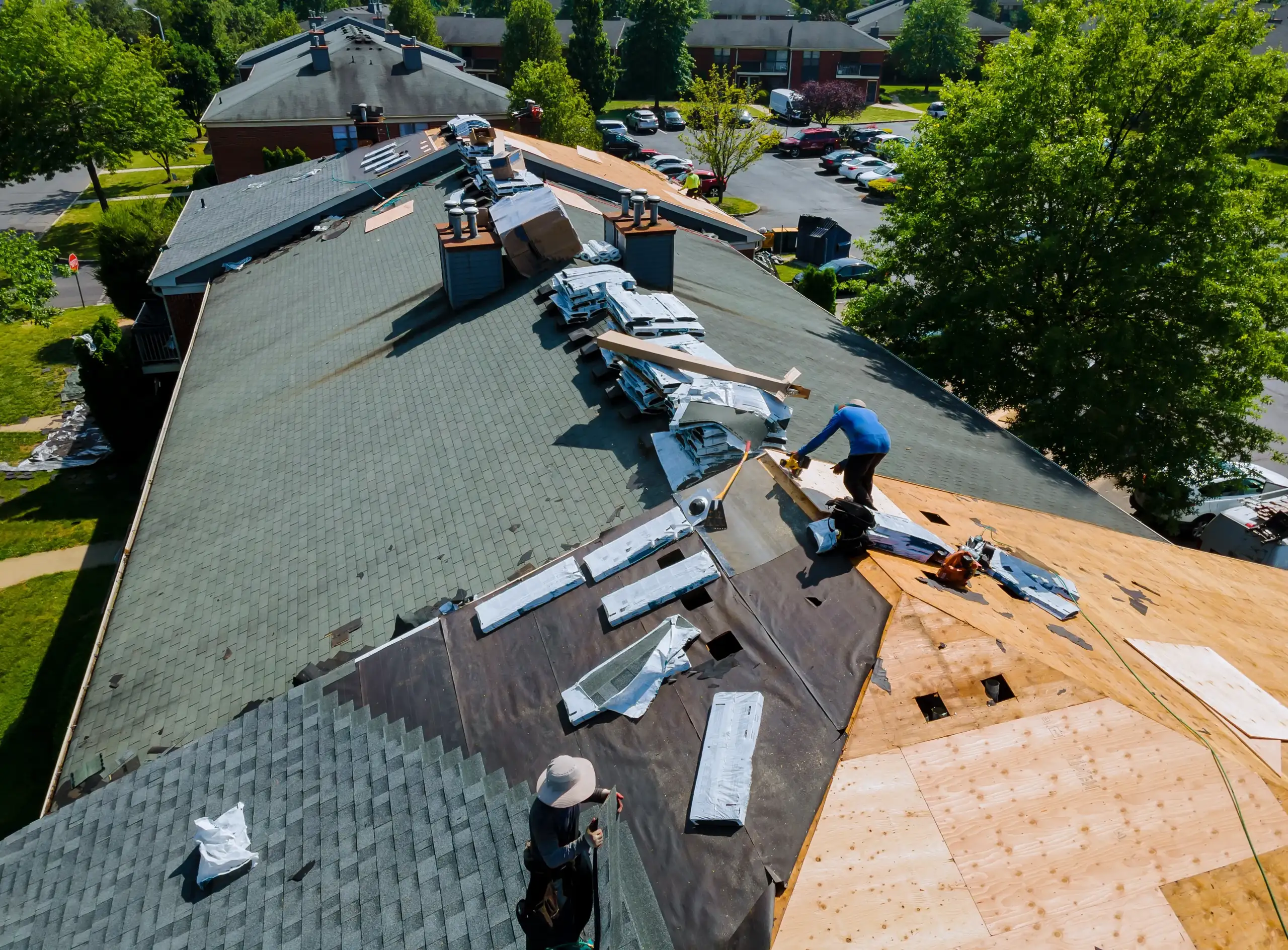
Ask most homeowners what makes a roofing job excellent, and they will describe the finished product: straight lines, tight flashing, shingles that lie flush against the deck. Few will mention the person who swept the driveway of nails before the trucks left, or the coordinator who made sure the correct underlayment arrived on site before the crew climbed the ladder. Yet those unseen contributions often determine whether a roof performs for twenty five years or fails within five. Craftsmanship in roofing is rarely the work of a single skilled installer. It is the product of a chain of support roles that most customers never think to ask about.
The Ground Crew That Keeps the Work Moving
On any properly run roofing job, the people working on the actual pitch are only part of the team. Beneath them, a ground crew manages the steady rhythm of material handling, hauling bundles of shingles up to the loading point, staging tear off debris for disposal, and keeping walkways clear so nothing shifts underfoot. This work looks unglamorous, but it directly affects the quality of the finished roof. A crew that runs out of material mid course because staging was disorganized will often improvise, and improvisation is where shortcuts creep in. A well organized ground team keeps the installers focused entirely on technique rather than logistics, and that focus is where craftsmanship actually lives.
Estimators and Schedulers Who Set the Job Up to Succeed
Long before a single shingle is nailed down, an estimator has already shaped the outcome of the project. Their measurements determine how much material is ordered, and their read of the roof’s slope, valleys, and penetrations determines what techniques the crew will need to use. A slightly underestimated order can force a crew to substitute materials mid job, while an overly rushed schedule can compress a two day job into one, tempting shortcuts on drying times or fastening patterns. The best roofing companies treat estimating and scheduling as a craft in its own right, not simply an administrative task that happens before the real work begins. When this planning stage is handled with the same rigor as the physical installation, the entire job benefits.
Quality Control Eyes That Catch What Installers Miss
Even the most skilled installer benefits from a second set of eyes. Many established roofing operations employ a dedicated inspector or foreman whose job is not to install shingles but to walk the finished sections and check them against a standard. This role often goes unnoticed by homeowners, who assume the crew that installed the roof also verified its own work. In reality, separating the installer from the inspector is one of the clearest signals of a mature operation. It mirrors how the Occupational Safety and Health Administration approaches job site oversight more broadly, treating inspection as a distinct function that protects both the workers and the quality of what they build. A second look catches a missed nail line, an improperly lapped seam, or a flashing detail that needs adjustment before it becomes a hidden leak years later.
Apprentices Learning the Details That Cannot Be Rushed
Craftsmanship is not inherited, it is built one job at a time, and much of that building happens through apprentices working alongside veteran installers. An apprentice on a residential job might spend an entire season doing little more than cutting flashing to size or learning how to read a chalk line before ever being trusted with a nail gun on a finished course. This slow progression is often invisible to the customer, who only sees the finished crew working in sync. But that synchronization is the result of years of quiet mentorship, where a veteran corrects a hand position or explains why a particular valley detail requires an extra step. Homeowners searching for roof contractors in columbus, oh are often comparing price and timeline, but the depth of a company’s apprenticeship culture is one of the strongest predictors of long term quality, even if it rarely appears in a sales conversation.
How These Roles Show Up in Columbus’s Climate
Central Ohio’s weather pattern, with its freeze thaw cycles, sudden temperature swings, and seasonal storms, places real demands on a roofing system, and it places equal demands on the coordination behind the work. A crew installing during a narrow dry window between storm systems relies heavily on schedulers who track forecasts and adjust timelines accordingly. Material haulers need to move quickly when a window opens, and inspectors need to move just as quickly to verify the work before the next system rolls through. In this environment, the support roles that keep a job on schedule are not a convenience, they are part of what allows the visible craftsmanship to happen at all. A homeowner who sees a roof completed cleanly in a single day rarely realizes how many people worked behind the scenes to make that timing possible.
What This Means for Homeowners Evaluating a Roofing Company
When comparing roofing companies, it is worth asking questions that go beyond the finished look of past projects. Who manages material logistics on a job. Is inspection handled by someone other than the installer. How does the company train new crew members, and how long before an apprentice works independently on a roof. These questions surface the parts of the operation that most directly shape long term performance, even though they rarely appear in marketing materials. A company willing to describe its internal structure in detail, from its ground crew to its scheduling process, is usually one that understands craftsmanship as a system rather than a single skilled hand on a ladder.
The next time a finished roof catches your eye for its clean lines and tight seams, it is worth remembering everything that happened before the last shingle went down. Estimators who planned the material order with care, ground crews who kept the site organized, inspectors who checked the work with fresh eyes, and apprentices absorbing lessons that will shape their own future installations all played a part. Excellent roofing work is rarely the product of one person’s talent. It is the visible result of a support system built to let that talent do its best work, job after job, season after season.