


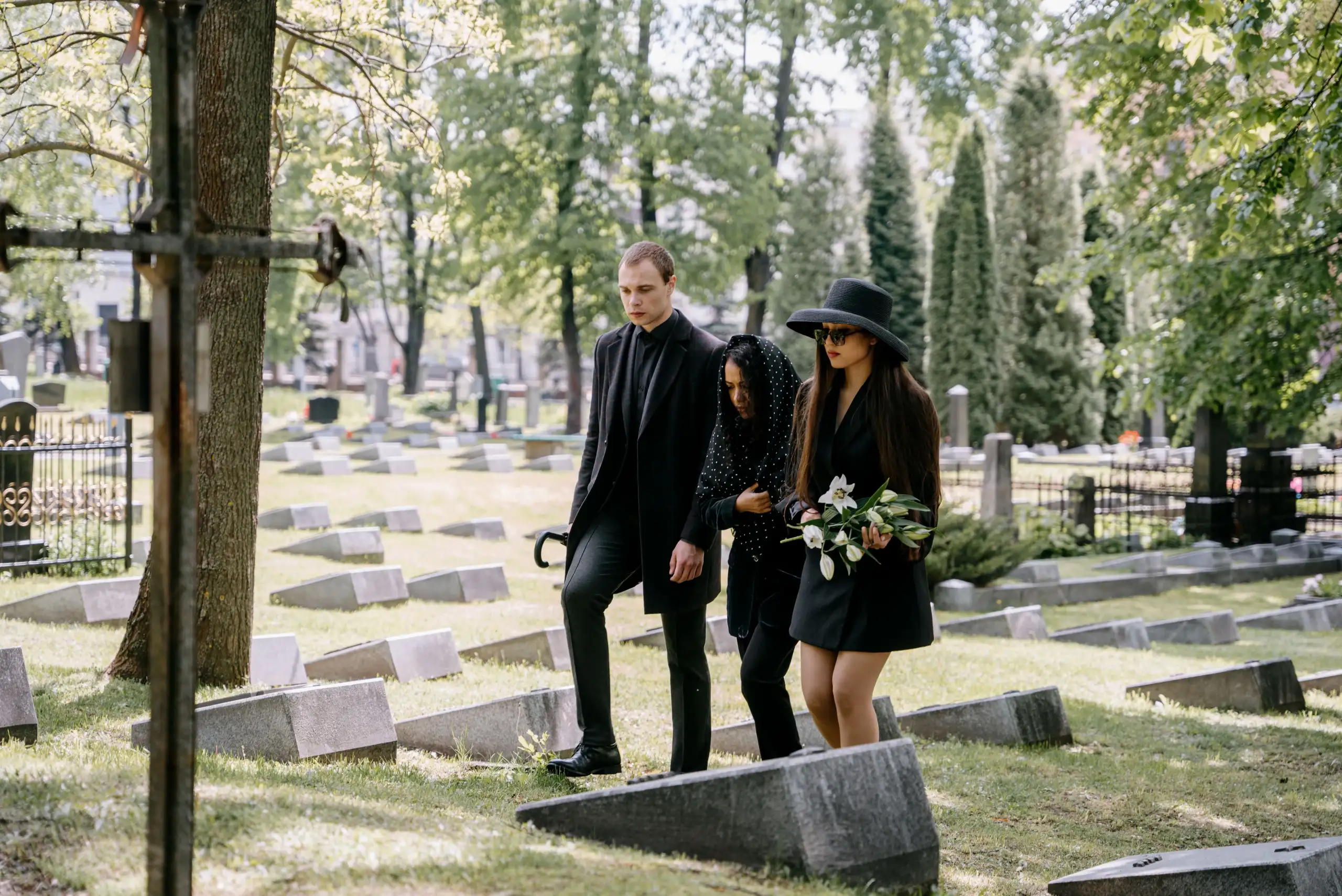
For generations, the process of planning a funeral was largely handed off to professionals, leaving grieving families with little say in the details and even less understanding of the costs involved. That dynamic is shifting. Across the country, more families are approaching end-of-life planning not as a burden to be delegated, but as a meaningful act of care and intentionality. Whether driven by a desire for personalization, financial transparency, or simply a wish to honor a loved one in a way that feels authentic, this growing movement is changing how Americans think about death, grief, and the rituals that surround both.
The Rise of Informed, Empowered Consumers
One of the most significant changes in the funeral industry over the past two decades has been the rise of the informed consumer. Families today arrive at funeral homes armed with research, questions, and a clearer sense of what they want. This shift is not about distrust of funeral professionals. It is about people recognizing that end-of-life decisions deserve the same thoughtful engagement as any other major life event. When a family understands their options, they are better positioned to make choices that reflect their values, their budget, and their vision of what a meaningful farewell looks like. The result is a funeral experience that feels genuinely personal rather than formulaic.
Understanding Your Rights and Options
A foundational piece of this empowerment is understanding consumer rights. The Federal Trade Commission’s Funeral Rule, in place since 1984, requires funeral providers to give itemized pricing information and to honor families’ rights to purchase only the goods and services they want. This includes the right to supply your own casket or urn without being charged a handling fee. Many families are unaware of these protections, which means they sometimes pay for items or packages they did not need or want. Knowing these rights opens the door to a more collaborative conversation with funeral directors and allows families to focus their resources on the elements that matter most to them. According to the Federal Trade Commission, understanding your rights as a funeral consumer is one of the most practical steps you can take before making any arrangements.
The Personal Significance of Casket Selection
Among the many decisions families face, choosing a casket is often the most emotionally weighted. It is also one of the areas where consumer awareness has grown most rapidly. Caskets have historically been one of the largest single expenses in a traditional funeral, and many families did not realize they had options beyond what a funeral home displayed in its showroom. Today, families can research and purchase caskets independently, which gives them both more choices and more control over costs. Exploring funeral caskets from direct-to-consumer providers has become a practical option for families who want quality and variety without the pressure of a showroom environment. This shift has helped normalize the idea that thoughtful preparation and personal choice can coexist with grief, and that selecting a casket can be an act of love rather than simply a transaction.
How Pre-Planning Transforms the Grief Experience
One of the most compassionate things a person can do for their family is to plan ahead. Pre-planning a funeral removes an enormous burden from loved ones who are already navigating loss. It ensures that your wishes are known and documented, which reduces the likelihood of family disagreements during an already difficult time. It also allows for a more deliberate and unhurried process of making decisions, rather than forcing choices within days of a death. Pre-planning does not mean pre-paying, and it does not require finalizing every detail. Even a written record of preferences, from the type of service to the music to the readings, can provide immense comfort and clarity to those left behind. Many grief counselors and end-of-life professionals describe pre-planning as one of the most profound gifts a person can leave for their family.
Honoring Individuality Through Meaningful Ritual
Funerals are not just logistical events. They are rituals that help communities process loss, celebrate a life, and begin the work of healing. When families take an active role in shaping these rituals, the results can be deeply moving. Some families choose to incorporate a loved one’s hobbies or passions into the service. Others opt for non-traditional settings, from parks and gardens to community centers and places of personal significance. Cultural and religious traditions are being blended in new ways, and there is growing recognition that no single format serves every family or every life. The most meaningful funerals tend to be the ones that feel true to the person being honored. That authenticity does not happen by accident. It happens when families feel empowered to make choices that reflect who their loved one actually was.
The Emotional and Financial Benefits of Planning Ahead
Beyond the emotional benefits, there is a practical case for thoughtful end-of-life planning. Funeral costs can be substantial, and families who plan ahead are better positioned to make financially sound decisions without the pressure of grief clouding their judgment. Comparing prices, understanding what is included in different service packages, and knowing where flexibility exists can result in significant savings that can be directed toward other meaningful tributes, such as a scholarship fund, a charitable donation in the deceased’s name, or a gathering that brings family and friends together in celebration. Financial preparedness and emotional preparedness are not in conflict. In fact, they tend to reinforce each other. When families feel secure in the practical decisions, they have more emotional bandwidth to focus on what truly matters: being present with one another and honoring the person they have lost.
The shift toward more informed, intentional end-of-life planning is one of the more quietly significant cultural changes of our time. It reflects a broader willingness to engage with mortality honestly and to treat the rituals surrounding death as worthy of the same care we bring to the great celebrations of life. Families who approach this process with openness and preparation often find that it brings them closer together, clarifies what they value, and ultimately creates a farewell that honors both the person who has died and the community that loved them.
