
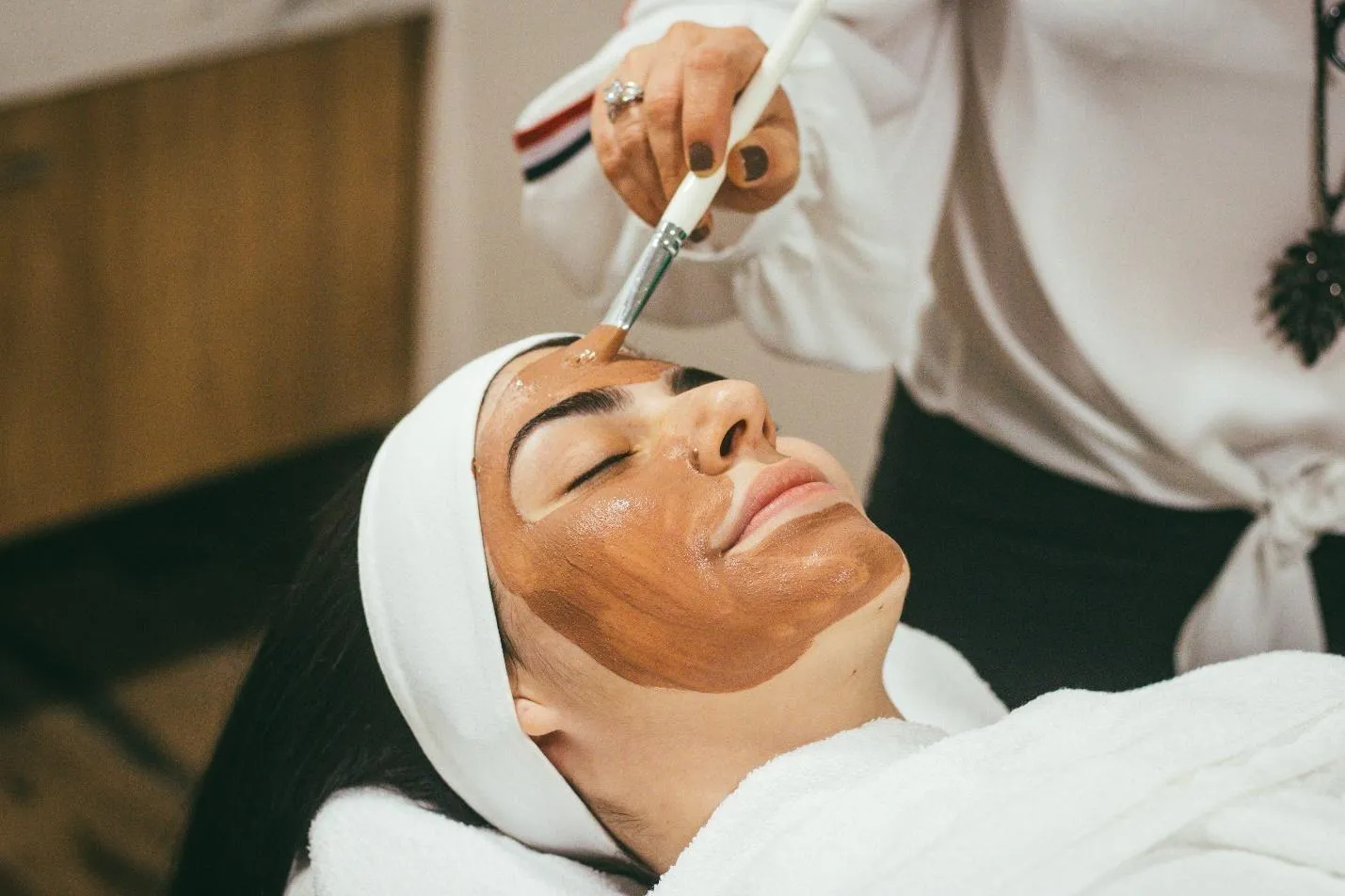
Acne used to be treated as a teenage problem. Dermatologists and estheticians across the country have spent years trying to correct that assumption, and the data is finally starting to reflect reality. The condition does not age out at 18, it simply becomes something adults tend to manage quietly rather than talk about openly.
The Stat Behind the Silence
Acne affects approximately 50 million Americans annually, and the average age of individuals seeking treatment has risen from 20.5 to 26.5 years over the past decade, with roughly 50 percent of women in their 20s, 33 percent in their 30s, and 25 percent in their 40s continuing to experience it. That shift means the majority of people seeking professional facial treatments today are adults managing a condition that carries real emotional weight alongside its physical effects.
For New Yorkers navigating this reality, the answer is rarely a single over-the-counter product. It tends to be a combination of consistent professional treatments, the kind performed by trained estheticians who understand how to address active breakouts without compromising the skin barrier in the process.
Why Professional Facials Produce Results That At-Home Routines Cannot
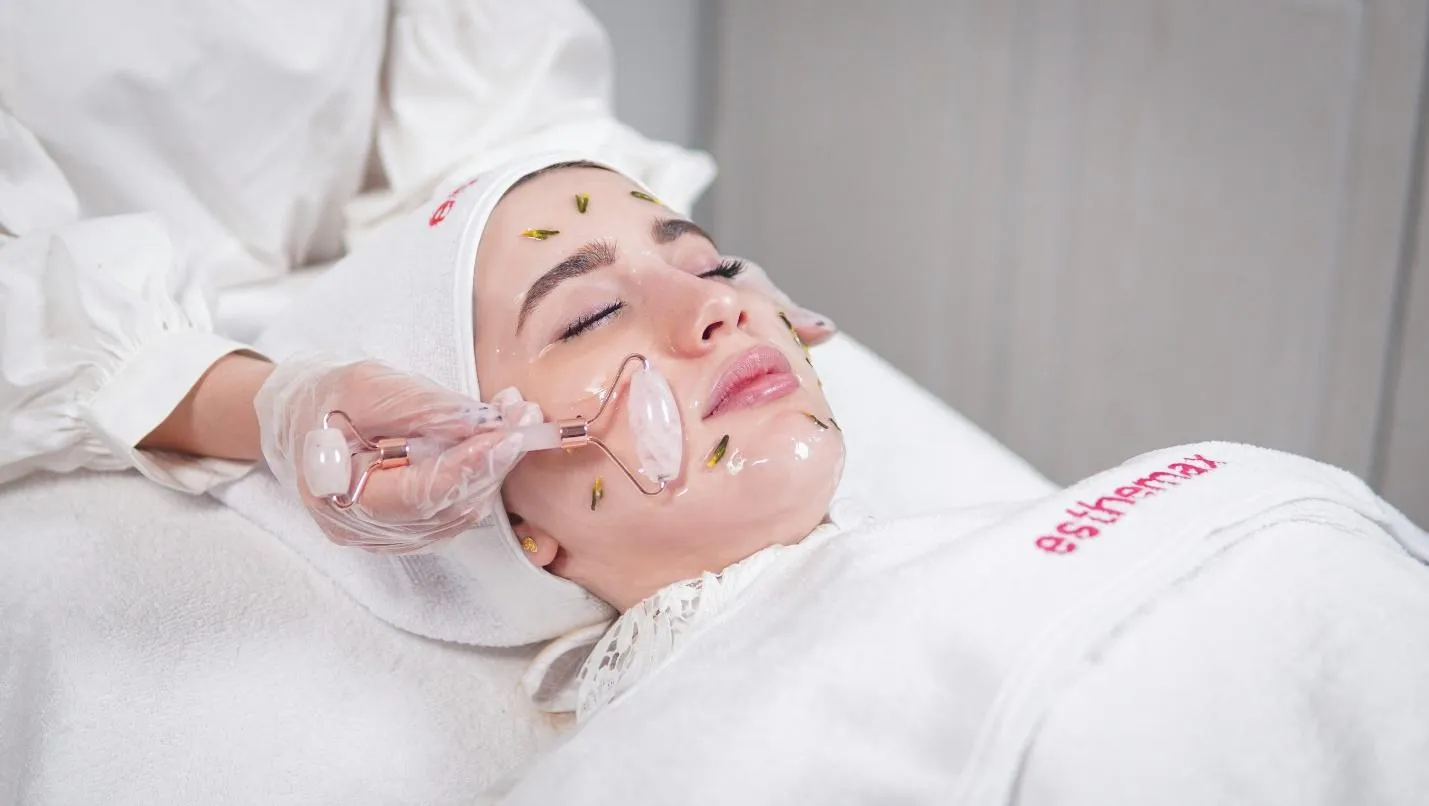
The fundamental difference between a professional facial and a skincare routine is depth of access. A trained esthetician can perform manual extractions safely, deliver active ingredients below the surface, and customize a treatment in real time based on how the skin responds, none of which is possible with a cleanser and a serum applied at home.
This becomes especially relevant for acne-prone skin, where the wrong approach, using an ingredient too strong, extracting improperly, or over-exfoliating, can worsen inflammation and leave lasting marks. A professional setting provides both the technique and the clinical judgment to avoid those outcomes.
Treatment Options: What Each Facial Actually Does
Understanding what each treatment involves helps set realistic expectations before booking.
- Deep Cleansing Facial – This is often the starting point for anyone dealing with active breakouts or congested skin. A Deep Cleansing Facial combines steam, exfoliation, and professional extraction to clear clogged pores at a level that surface-level products cannot reach. For oily or acne-prone skin, this treatment addresses the buildup that creates blackheads, whiteheads, and the low-grade inflammation that persists between more acute breakouts.
- Dermaplaning Facial – A Dermaplaning Facial uses a sterile surgical blade to remove the outermost layer of dead skin cells and vellus hair, leaving the skin surface noticeably smoother. Beyond the immediate texture improvement, dermaplaning enhances the absorption of any active ingredients applied afterward, making it an effective preparatory or standalone treatment for dull or uneven skin tone, including post-acne discoloration.
- Buccal Facial – Less familiar to most people but increasingly sought after, the Buccal Facial involves intraoral massage performed inside the mouth alongside external facial massage, targeting the deep musculature of the face rather than just the skin surface. It is used primarily for sculpting, lymphatic drainage, and relieving tension held in the jaw, cheeks, and around the eyes, areas where chronic stress and facial tension often manifest visibly.
- Microdermabrasion Facial – A Microdermabrasion Facial uses controlled mechanical exfoliation to remove dead skin cells and stimulate cell turnover. It is particularly effective for addressing post-acne marks, surface irregularities, and the kind of dull, textured skin that tends to follow a breakout cycle. Unlike more aggressive resurfacing treatments, microdermabrasion involves minimal downtime and is appropriate for a range of skin types.
Facial Treatment Comparison at a Glance
| Treatment | Primary Benefit | Best For | Typical Session Length |
|---|---|---|---|
| Deep Cleansing Facial | Pore clearing, extraction | Active breakouts, congested skin | 60 – 75 minutes |
| Dermaplaning Facial | Surface smoothing, better absorption | Dull skin, uneven texture, mild scarring | 45 – 60 minutes |
| Buccal Facial | Sculpting, lymphatic drainage, tension relief | Definition, puffiness, jaw tension | 60 – 90 minutes |
| Microdermabrasion Facial | Cell turnover, post-acne marks | Uneven tone, surface texture, dull skin | 30 – 45 minutes |
What to Look for in a Skincare Provider
In a city with no shortage of options, the quality of the consultation matters as much as the treatment itself. A knowledgeable esthetician will ask about your current skincare routine, the history of your breakouts, and any products or treatments you have had negative reactions to before recommending anything. Cookie-cutter treatment plans rarely produce consistent results for acne-prone skin, which tends to require some degree of customization each session.

For those specifically researching an acne facial in New York, SI Glam Glow Skincare & Esthetics is one practice worth looking into, known for working with clients across a range of skin concerns and facial treatment types rather than defaulting to a one-size-fits-all approach.
Managing Expectations: What Consistency Actually Requires
Professional facials are not one-time fixes. Acne-prone skin typically responds best to a series of treatments spaced several weeks apart, with at-home maintenance in between to preserve and extend the results. The average age shift in who gets acne also means that many adults are managing hormonal and lifestyle-driven triggers that will not be resolved by a single appointment.
That consistency is not a sales pitch. It is how skin biology actually works, and providers who are upfront about it tend to be the ones worth returning to.