

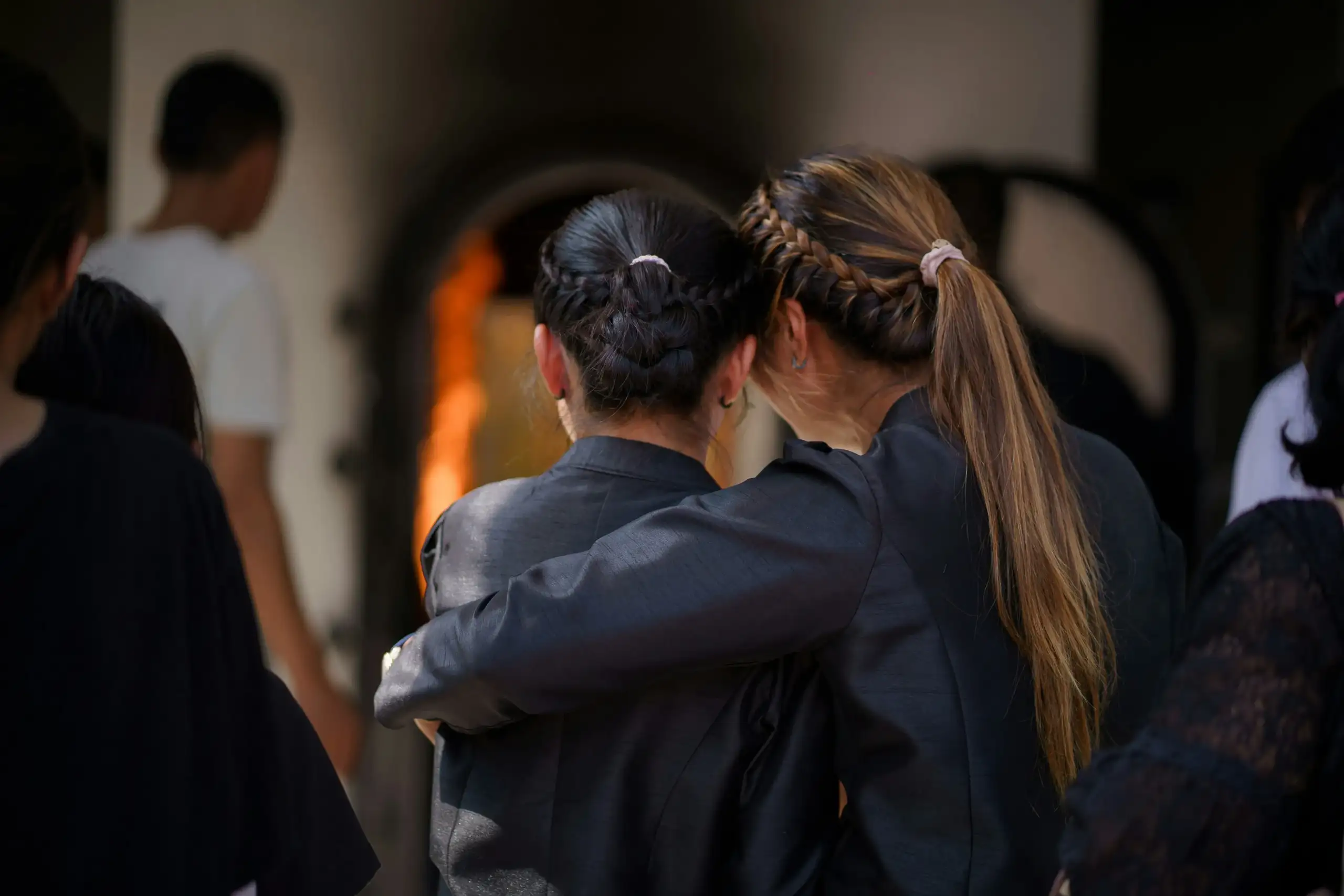
The way we remember those we love says a great deal about who we are as a culture. Across generations, communities have developed rituals, symbols, and structures to mark the lives of the departed with dignity and intention. Today, a quiet but meaningful transformation is taking place in how families approach memorialization. Far from being a somber obligation, the process of honoring a loved one has become an opportunity for creativity, storytelling, and lasting tribute. From personalized inscriptions to thoughtfully chosen materials, the modern memorial landscape reflects a deeper commitment to celebrating life rather than simply acknowledging loss.
The Deep Roots of Memorial Tradition
Human beings have marked the resting places of their loved ones for thousands of years. Ancient Egyptians erected elaborate monuments, while Indigenous cultures around the world developed their own unique forms of burial markers and commemorative practices. In Western traditions, the carved stone marker became a cornerstone of cemetery culture by the seventeenth century, evolving from simple wooden crosses to elaborate sculpted monuments that told the stories of entire families and communities.
These traditions were never purely about death. They were always about life, about preserving a name, a legacy, and a sense of belonging. The act of choosing a grave stone has historically been one of the most personal decisions a family could make, reflecting values, faith, culture, and love in a single enduring object. That meaning has not diminished over time. If anything, it has deepened as families seek more intentional and personalized ways to honor those they have lost.
Personalization as a Form of Tribute
One of the most significant shifts in contemporary memorial culture is the move toward personalization. Where earlier generations often selected markers from a limited range of standard designs, today’s families have access to an extraordinary variety of options. Laser etching technology now allows for photographic-quality portraits to be rendered in stone. Custom shapes, symbols drawn from personal hobbies or professions, and multilingual inscriptions are all increasingly common.
This shift reflects something important about how we understand grief and memory. Psychologists and grief counselors have long noted that meaningful ritual plays a crucial role in the healing process. When a memorial marker genuinely reflects the personality and passions of the person it honors, it becomes more than a marker of absence. It becomes a destination, a place where family members return not just to mourn but to feel connected to someone they loved. A headstone engraved with a favorite quote, a musical note, or an image of a beloved landscape transforms a cemetery visit into something closer to a conversation.
Materials and Craftsmanship in the Modern Era
The materials used in memorial markers have also evolved significantly. Granite remains the most widely used material due to its durability, resistance to weathering, and the wide range of colors it naturally occurs in. Marble, once the dominant choice for its elegance, has become less common for outdoor markers because of its susceptibility to acid rain and environmental weathering over time. Bronze plaques, often mounted on granite bases, offer another popular option, particularly for veterans’ memorials and flat grave markers.
Beyond material choice, craftsmanship standards have risen considerably. The best memorial artisans combine traditional stone-cutting techniques with modern computer-aided design tools to achieve levels of detail and precision that were simply not possible a generation ago. Families working with skilled craftspeople can review digital proofs of their chosen design before a single cut is made, ensuring that the final result truly captures their vision. This collaborative process has transformed what was once a transactional purchase into a meaningful creative partnership.
Cemetery Culture and Community Connection
Cemeteries themselves are experiencing a cultural reappraisal. Once seen primarily as places of quiet solemnity, many historic cemeteries have become recognized as important community spaces, historical archives, and even green infrastructure within urban environments. Cities across the United States have invested in the preservation and revitalization of historic burial grounds, recognizing their value not only as sacred spaces but as irreplaceable repositories of local history and biodiversity.
The Smithsonian Institution and similar cultural organizations have documented how cemetery landscapes often serve as the last remaining examples of original native plantings in heavily developed areas, supporting pollinators and other wildlife. The Smithsonian has explored how these spaces function simultaneously as ecological refuges and living archives of social history, preserving records of immigration, community formation, and cultural identity that might otherwise be lost. Understanding cemeteries in this broader context invites a more holistic appreciation of the role they play in the life of a community, past and present.
Supporting Families Through the Memorial Process
For many families, the period following a loss is both emotionally exhausting and logistically overwhelming. Navigating decisions about burial, service planning, and memorialization simultaneously can feel like an enormous burden. This is why the role of compassionate, knowledgeable memorial professionals has never been more important.
The best memorial providers approach their work with a clear understanding that they are helping families through one of the most significant moments of their lives. This means offering patient guidance, transparent pricing, and a genuine commitment to quality. It also means listening carefully to what a family wants to convey about the person they have lost. A well-crafted memorial is not simply a product. It is the result of a thoughtful collaboration between skilled artisans and grieving families who want to get something important exactly right.
Families who take the time to research their options, ask questions, and work with reputable craftspeople consistently report greater satisfaction with the final memorial. They also describe a sense that the process itself, though difficult, contributed to their healing. Making meaningful choices on behalf of someone you love is, in its own way, a final act of care.
Looking Forward: Enduring Legacies in a Changing World
As society continues to evolve, so too will the ways we choose to remember those who have shaped our lives. New materials, new technologies, and new cultural influences will all leave their mark on memorial traditions. Yet the core impulse behind every carved name and chosen inscription remains unchanged. We want to say that this person mattered, that their life had weight and beauty, and that they are not forgotten.
The enduring power of physical memorialization lies precisely in its permanence. In a world saturated with digital content that can disappear overnight, a well-crafted stone marker stands as a counterpoint, a commitment to memory that outlasts trends and technologies. That permanence is not simply a material quality. It is a statement of love, one that future generations can reach out and touch.
Honoring the lives of those we have lost is one of the most human things we do. When we approach that process with care, creativity, and intention, we do more than mark a grave. We tell a story, preserve a legacy, and affirm the enduring value of every life lived.