


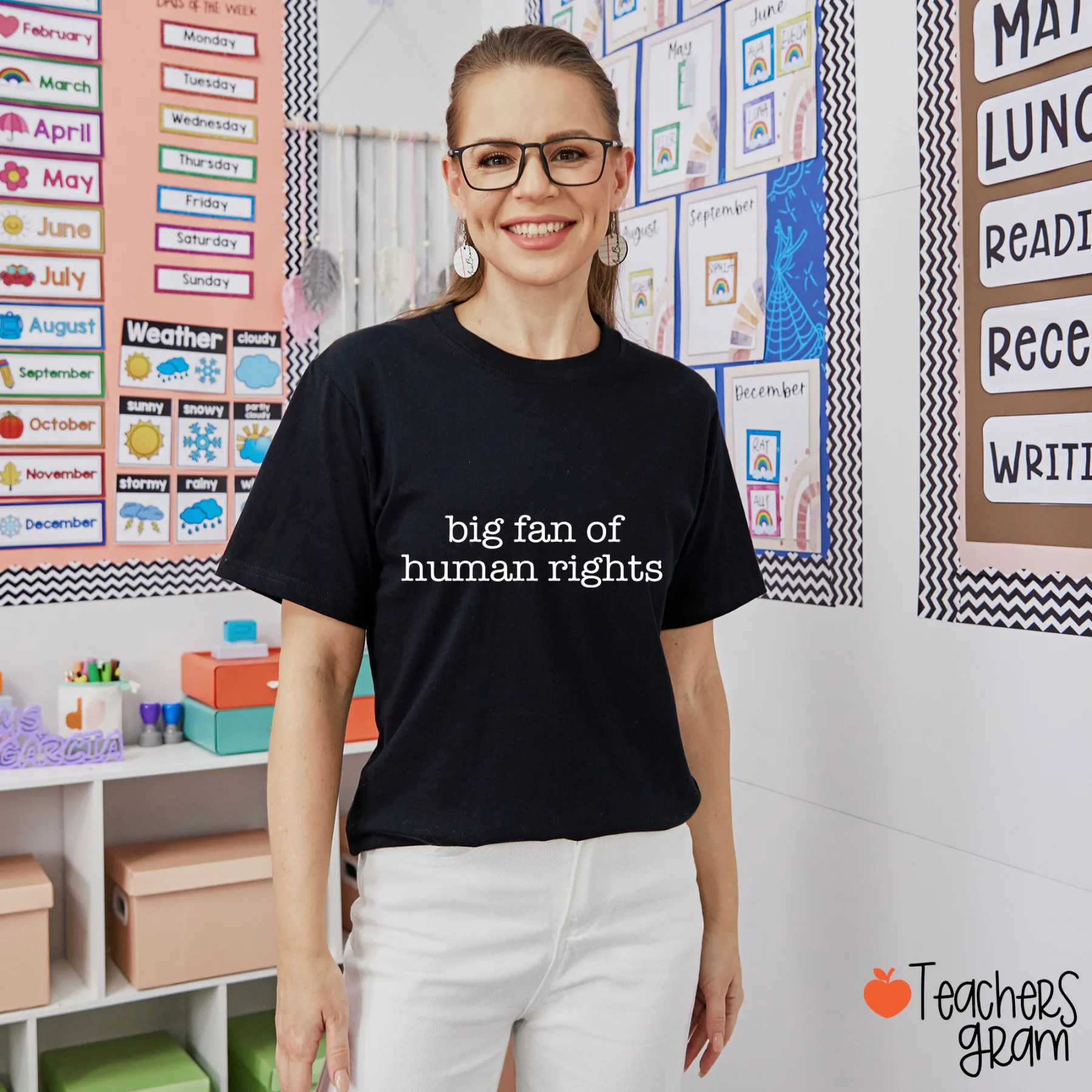
Human rights isn’t just a topic I cover because it’s in the curriculum. It’s one of the most important conversations I believe a classroom can have, and it starts way earlier than most people think. Junior high is exactly the right time. Students at that age are starting to form real opinions about the world, about fairness, about who gets treated with dignity and who doesn’t. If we don’t plant those seeds early, we miss a window that doesn’t come back easily.
But here’s what I’ve learned after years of doing this: if you walk in with a slideshow and a lecture, you’ve already lost half the room.
Teaching human rights, real, felt, understood human rights, takes more than textbook pages. It takes creativity, connection, and honestly? A little bit of personality. Including what you wear into the room.
Four Ways I Make Human Rights Come Alive in the Classroom
1. I make it personal before I make it historical.

Before I pull out any materials about the Universal Declaration of Human Rights, I ask my students one question: Has anyone ever treated you like your voice didn’t matter? The hands go up. Every single time. That’s where we start, with their own experiences, their own neighborhoods, their own lunch tables. Human rights isn’t abstract when it starts with them. My teacher t shirts with messages about equality and inclusion do a lot of quiet work here too, students read what I’m wearing before I’ve said a word, and it sets the tone for what kind of classroom we’re walking into.
2. I use storytelling and real cases, not just definitions.
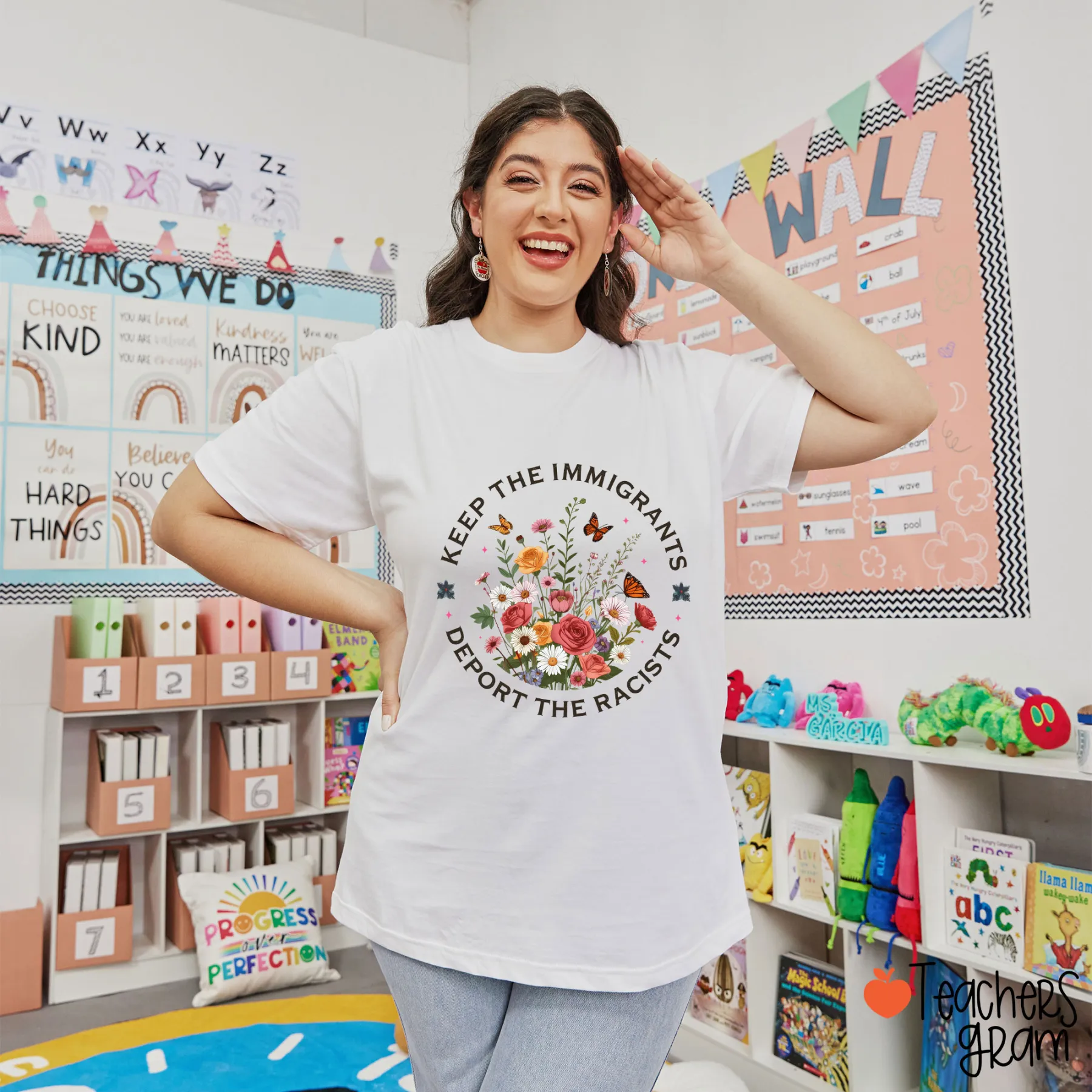
Definitions are forgotten by Friday. Stories stick for years. I find real cases, age-appropriate and local where possible, and we break them down together. Who had power? Who didn’t? What should have happened? What actually happened? This kind of case analysis gets students thinking critically without them even realizing they’re doing it. And when we reach the end of a school year, I make it celebratory, the last day of school shirts I’ve worn on those final days always carry a message that ties back to what we spent the year building together. Students notice. It becomes part of the classroom culture.
3. I bring in voices that aren’t mine.

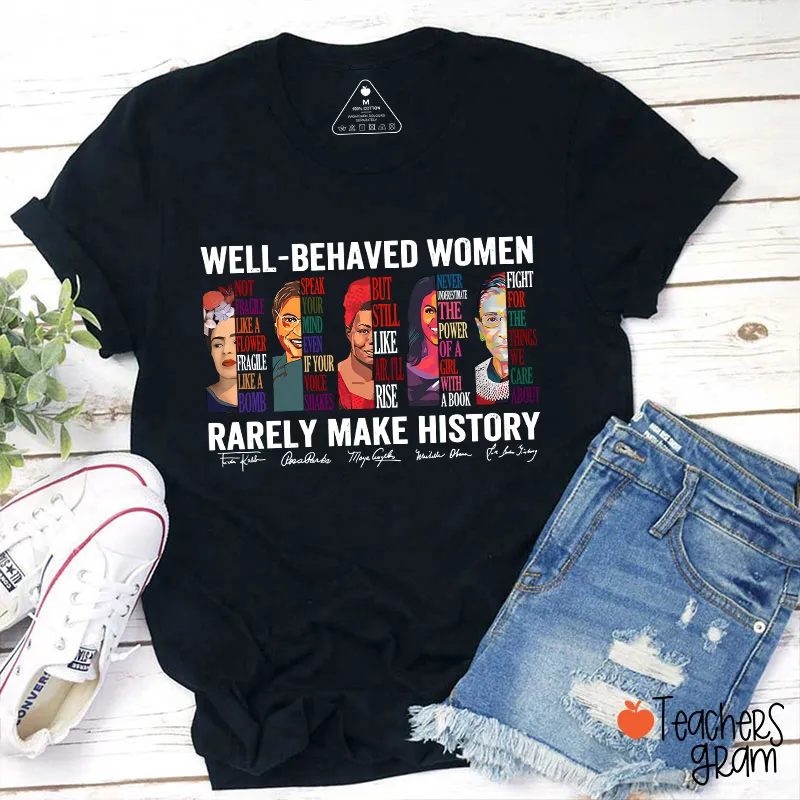
One of the most powerful things I do is step back. I invite guest speakers, community advocates, local leaders, sometimes parents who have lived through injustice firsthand. I assign student-led discussions where they have to research and present a human rights issue of their choice. Giving students the floor teaches them that their voice is a right, not a privilege. On the days I facilitate those discussions, I make sure the room knows where I stand, wearing empowered women shirts has sparked more pre-class conversations than I can count, and those conversations are often the most honest ones we have all week.
4. I wear what I believe.
This one might sound small, but it’s not. What a teacher wears communicates values before the lesson even begins. I started wearing human right t shirts on days we covered related topics, and the difference in classroom energy was immediate. Students would walk in, read my shirt, and already be curious, already be thinking. It opened doors that a warm-up prompt sometimes couldn’t. Fashion, in a classroom context, is just another form of visual communication. Use it intentionally.
The Brand That Made This Easier: TeachersGram
Let me tell you about the brand that’s been quietly powering my classroom wardrobe for a while now. TeachersGram was established in 2018, designed with love and beauty, and consistently offers teacher items at reasonable prices, covering everything from graphic tees to jerseys to sweatshirts, all built specifically for educators.
What makes TeachersGram genuinely different is their range of message-driven collections. They have dedicated lines for human rights, empowered women, mental health awareness, anti-bullying, Black history, and so much more. The brand’s mission is to empower teachers to express themselves creatively and confidently, both inside and outside the classroom, and that’s exactly what I’ve experienced wearing their pieces.
Their teacher shirts aren’t generic. Even bold designs remain classroom-friendly, allowing teachers to stay stylish without losing professionalism, each piece reflects individuality, helping teachers feel more confident and expressive. For anyone who wants their wardrobe to actually mean something in the space they work in, TeachersGram is the answer. It’s not just clothing. It’s the curriculum you wear.
