


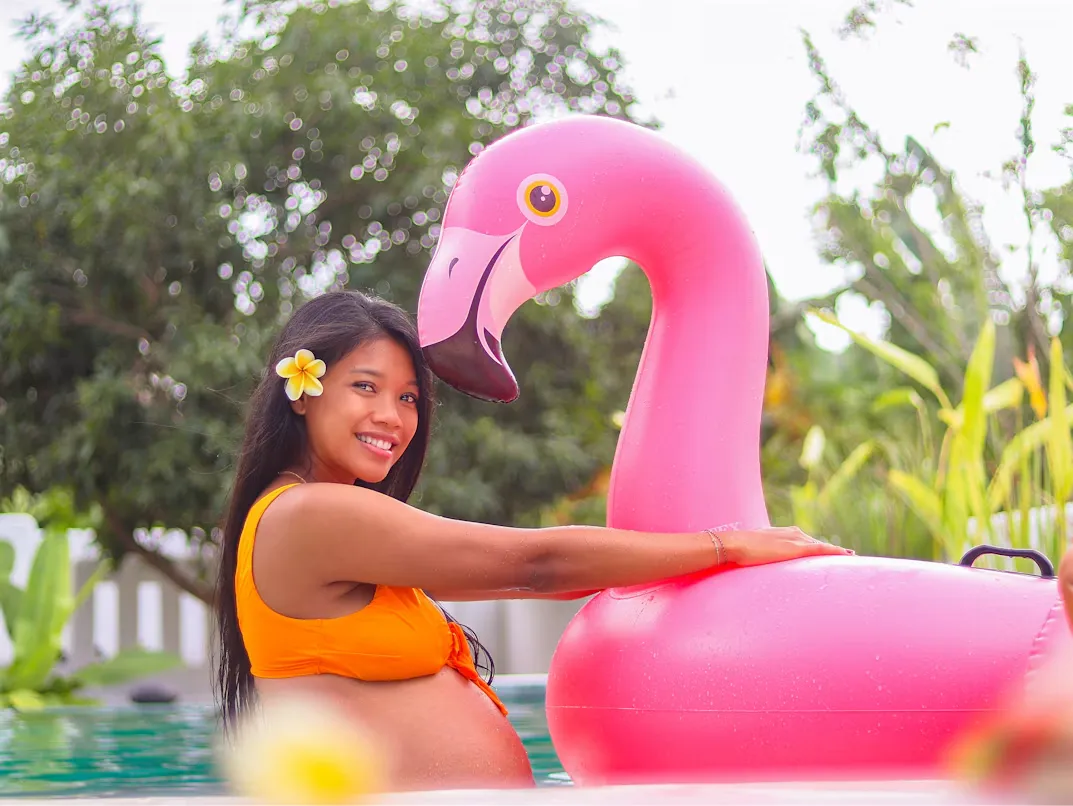
A well-designed swimsuit can make pool days, beach visits, and prenatal water workouts far more comfortable during pregnancy. As your body changes, familiar swimwear may start to pinch, shift, or provide less support than you need. Modern maternity styles address those concerns while still looking polished enough to wear beyond a single season. Knowing which features matter will help you find a suit that feels secure without limiting movement.
Start with flexible coverage
Your swimsuit needs room to accommodate your growing belly. Look for stretchy fabric, gathered side seams, and panels that follow your shape without creating pressure. These details can extend the useful life of a suit across several stages of pregnancy.
When comparing maternity swimwear, consider where you expect to wear it. A one-piece with a generous torso length may work well for swimming laps, while a two-piece can offer easier bathroom access and greater flexibility as your proportions change. Browse maternity swimsuit favorites to see how different cuts accommodate growing bellies. Coverage should feel secure when you sit, bend, and walk, not only when you stand in front of a mirror.
Choose support that suits your body
Support needs can change throughout pregnancy, especially around the bust. Wide straps distribute pressure more comfortably than narrow ties and adjustable straps let you fine-tune the fit. A supportive under-bust band can also help without feeling rigid.
If you shop in person, raise your arms and gently twist from side to side in the fitting room. The neckline should stay in place, and the straps shouldn’t dig into your shoulders. When ordering online, check the size chart against your current measurements instead of relying on your usual pre-pregnancy size. Removable cups offer another useful option since you can adjust the shape and level of coverage as needed.
Pay attention to fabric and construction
Swim fabric should stretch in multiple directions and recover its shape after wear. A suit that remains loose after you pull the material may sag once it gets wet. Check product descriptions for lining through the front and bust, especially if you prefer more coverage around the belly.
Flat seams can reduce rubbing during long pool days, and smooth leg openings are less likely to pinch. If you plan to use your suit regularly, follow the care label carefully. Rinse it in cool fresh water after swimming, gently press out excess water and let it dry away from direct heat. This simple routine helps protect the fabric from pool chemicals, salt and sunscreen residue.
Look for practical details you’ll actually use
Small design choices can have a big effect on comfort. Adjustable ties allow you to change the fit around the bust or hips, while a front zipper may make dressing easier. Higher leg openings can create more freedom of movement, though fuller-cut bottoms may feel more secure during active family outings.
Visual details also influence how often you’ll want to wear the suit. Solid colors are easy to pair with cover-ups and sandals, while prints can disguise occasional sunscreen marks. Collections of poolside maternity suits can help you compare styles before deciding which features fit your routine. Focus on details that solve a real need instead of choosing extras that may feel fussy once you’re at the pool.
Think beyond pregnancy
A swimsuit may still be useful during the postpartum months, when your body continues to change, and comfort remains a priority. Stretchy necklines or wrap-style fronts can offer convenient access for feeding, while adjustable straps and ties support a changing fit. Softer waist openings may also feel better during recovery.
Try to picture how the suit will work during an ordinary outing. You may be carrying towels, helping another child or sitting at the pool’s edge for long stretches. A style that stays put through those movements is often more valuable than one that only looks good in a posed photo. The best choice leaves you free to enjoy the water without repeatedly adjusting straps, hems or waistbands.
Check the fit before removing the tags
Try the suit on with the movements you’ll make near the water. Sit on a chair, bend to pick up a towel and take a few high steps as if you were climbing pool stairs. Check that the leg openings remain comfortable and that the neckline keeps its coverage.
A little extra room for growth can be useful, but loose fabric around the bust or seat may become heavier once wet. If you’re between sizes, use the brand’s measurements and fabric notes as your guide. Once you find a suit that moves with you and stays comfortably in place, pool time can return to what it should be: a chance to cool off, move gently and enjoy the day.

